
Psychological Triggers in Casino Design
Casinos employ a myriad of psychological triggers to create an environment that encourages players to stay longer. One of the most prominent tactics is the use of color schemes and lighting. Bright, vibrant colors are strategically placed to create an inviting atmosphere, while dim lighting can make players feel comfortable and secure. For instance, the layout and design of websites like brianscookers.co.uk can mimic these tactics to enhance user engagement. The effect of these design elements is often subtle, but they play a significant role in influencing the duration of a player’s visit. This carefully crafted ambiance can make time seem to fly, as players become engrossed in the sights and sounds around them.
Moreover, the layout of casinos is meticulously planned to maximize engagement. Slot machines and table games may be arranged in clusters to attract foot traffic and keep players within a certain area. This design not only increases the likelihood of players trying different games but also creates a sense of community. When players see others winning or having fun, it can trigger their own desire to continue playing. The social aspect of gambling, enhanced by physical proximity to other players, can result in longer play sessions.
Additionally, casinos often utilize music and sound effects to enhance the gaming experience. Upbeat music can energize players, while the sounds of coins dropping or jackpot bells ringing create a sense of excitement. These auditory cues stimulate emotions that can encourage players to keep engaging with the games. By appealing to both visual and auditory senses, casinos effectively create an immersive environment that discourages players from leaving, often without them even realizing it.
Reward Systems and Incentives
In an effort to keep players engaged for longer periods, casinos implement various reward systems and incentives. Loyalty programs are commonly established, offering players points for their wagers that can be redeemed for free play, meals, or even accommodations. Such programs incentivize continued play, as players feel a sense of obligation to “earn” the rewards they are working towards. This strategy taps into the human desire for instant gratification and recognition, further extending their time spent within the casino.
Moreover, many casinos offer promotions such as free spins or match bonuses, enticing players to return frequently. These promotions can create a sense of urgency, compelling players to take advantage of these offers before they expire. When players perceive that they have something to lose by not participating, they are more likely to prolong their gaming sessions. The psychological impact of these rewards and promotional strategies cannot be understated, as they effectively manipulate the player’s experience to prolong engagement.
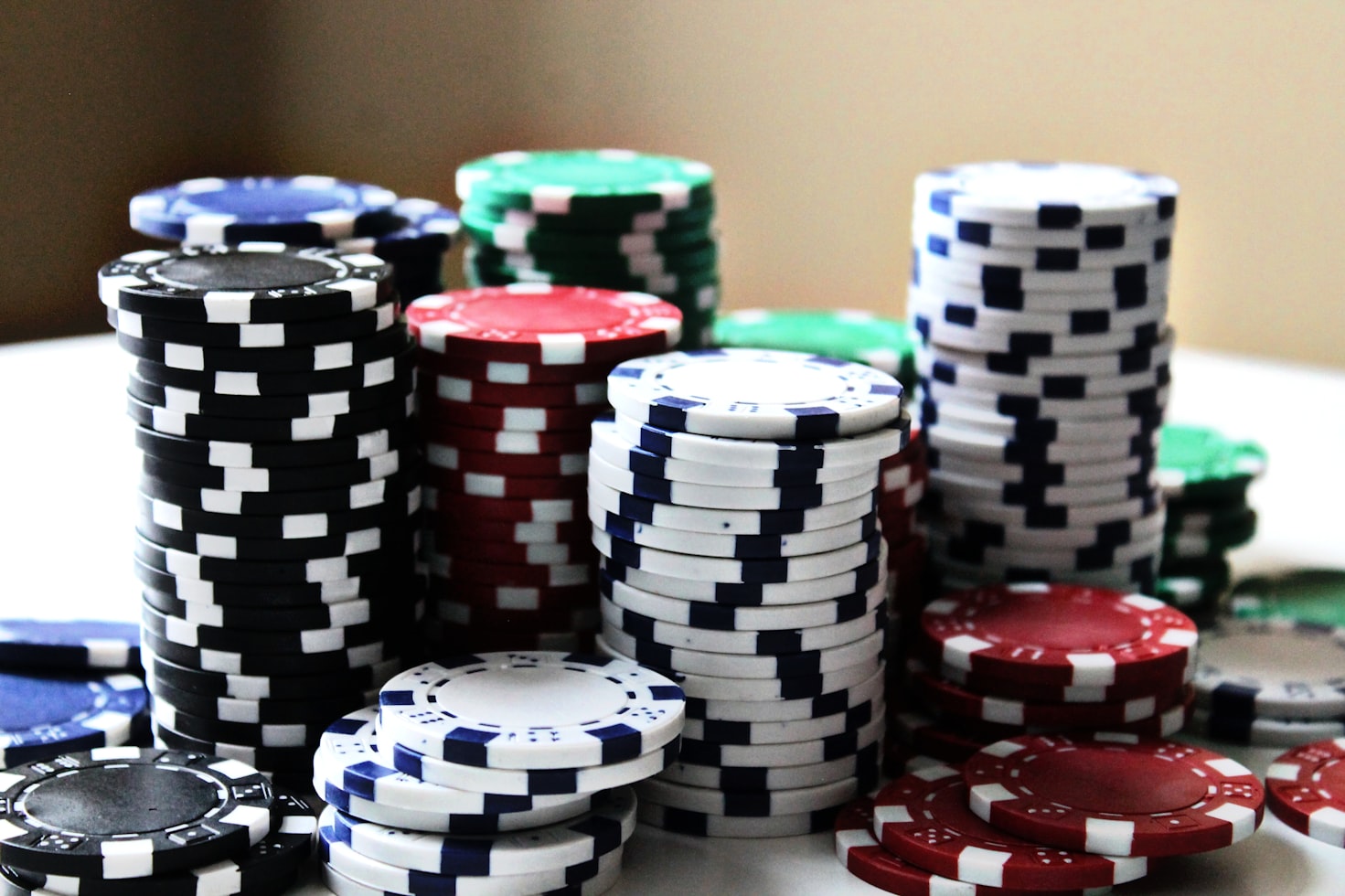
Furthermore, casinos often employ high-pressure sales tactics during special events or tournaments. The thrill of competition can draw players in and keep them at the tables for hours on end. The excitement generated by the possibility of winning large prizes can lead to riskier behavior and longer play times. In this context, casinos leverage both the allure of potential rewards and that of social competition, fostering an environment where extended play is not just encouraged but often expected.
The Role of Game Design
Game design in casinos is another critical factor that affects how long players choose to stay. Developers create games with the intention of maintaining player interest and engagement. Slot machines, for instance, are programmed with various themes, bonus rounds, and interactive features that create a sense of adventure and excitement. Each game becomes an experience in itself, designed to captivate players and keep them spinning the reels for longer periods.
Moreover, the psychology of game mechanics also plays a crucial role. Many games incorporate elements of unpredictability and reward schedules that keep players on edge. This uncertainty can lead players to continue playing in hopes of hitting that next big win. The concept of near-misses—where players nearly achieve a win—has been shown to motivate players to keep trying, as the anticipation of success can be more compelling than the reality of loss.
Additionally, the incorporation of progressive jackpots—where payouts increase as more players participate—can create a sense of urgency and excitement around certain games. Players often feel that they are part of something bigger, contributing to a jackpot that could potentially change their lives. This communal experience, combined with the thrill of the unknown, makes it more likely that players will spend extended periods trying to achieve that elusive victory, thus prolonging their overall gaming experience.
Environmental Factors and Comfort
The physical environment within casinos is engineered to promote longer stays. From comfortable seating arrangements to the availability of food and beverages, every detail is considered to enhance player comfort. Many casinos feature ample lounge areas where players can take a break without leaving the premises, encouraging them to return to gaming after a respite. This seamless integration of comfort into the gambling experience plays a significant role in ensuring that patrons linger longer.

Additionally, the 24/7 nature of most casinos contributes to the notion of endless possibilities. Unlike traditional recreational activities bound by time, casinos operate around the clock, allowing players to indulge at any hour. This flexibility can lead to prolonged visits, as players may feel they can stop and start at their convenience. The ambiance remains inviting at all times, drawing in both casual visitors and dedicated players alike.
Moreover, the offerings of complementary services such as spas, shopping, and entertainment can turn a simple gaming session into an all-day experience. As players explore these amenities, they are drawn back to the gaming floor, often spending more time playing as they take breaks for dining or entertainment. By creating an ecosystem of activities, casinos effectively transform their establishments into destinations where gaming is just one facet of a larger experience.
Understanding Casino Operations and Visitor Awareness
Understanding the intricate operations of casinos can ultimately shed light on how they are designed to keep players engaged. Many casinos rely on extensive research and data analysis to gauge player behavior, preferences, and spending patterns. This information informs every aspect of their design and service, from the types of games offered to the layout of the casino floor. As a result, each element is intentionally crafted to maximize player enjoyment and retention.
As many players are unaware of the various tactics employed to keep them engaged, it becomes crucial for individuals to understand their own gaming habits. Awareness can empower players to make informed decisions about their time and money spent in casinos. For example, recognizing when a gaming session extends beyond intended limits can lead to more responsible gambling practices.
Moreover, by fostering a culture of transparency and education around gambling, casinos can cultivate a more respectful relationship with their patrons. When players understand the operational strategies at play, they may be less likely to fall into the trap of extended gaming sessions driven by the allure of engaging design. Ultimately, awareness and education are essential components of responsible gambling, promoting a healthier gaming environment for all.